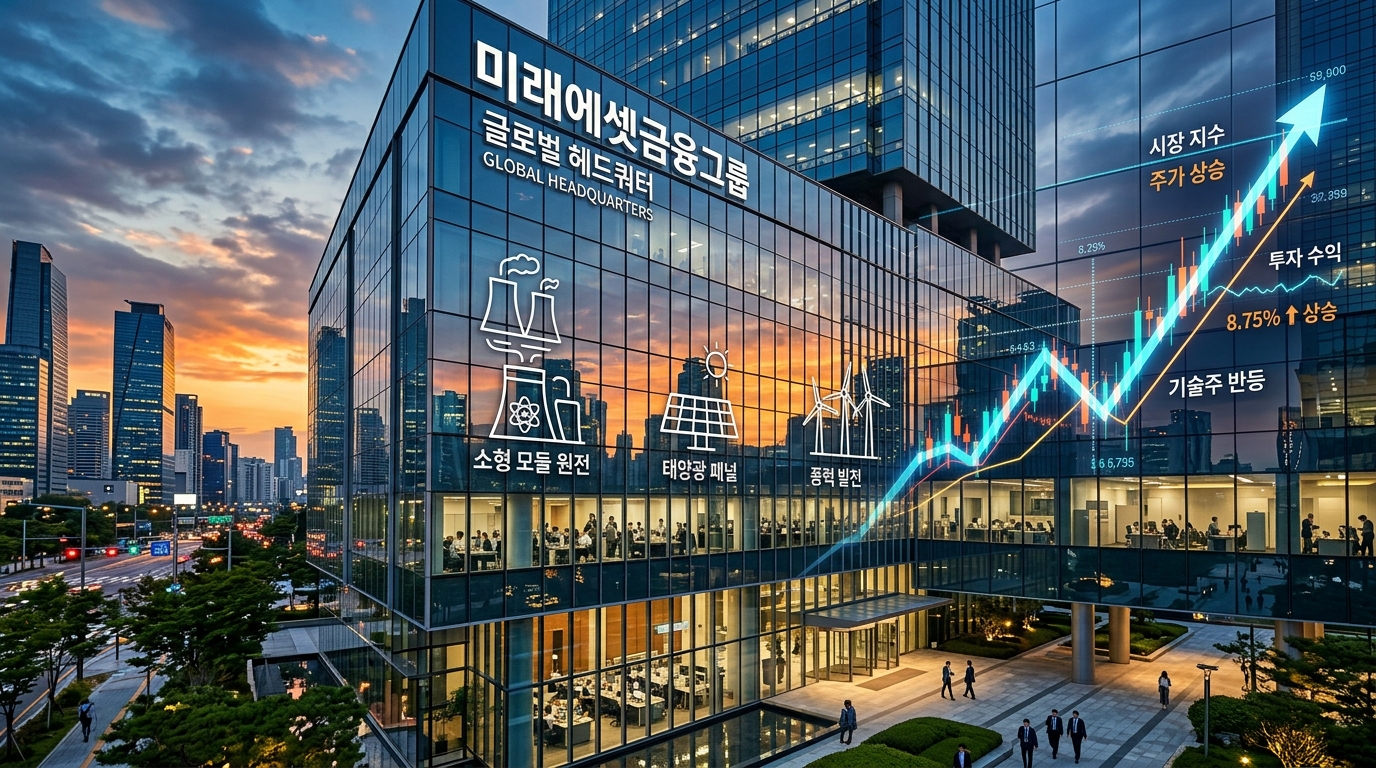
Hello, this is Daily Stock, delivering in-depth analysis of key trends and corporate values in the Korean financial markets.
Executive Summary
Samsung C&T (028260) is accelerating its structural transition into a next-generation eco-friendly energy infrastructure provider, alongside a sharp increase in the equity value of its affiliated companies.
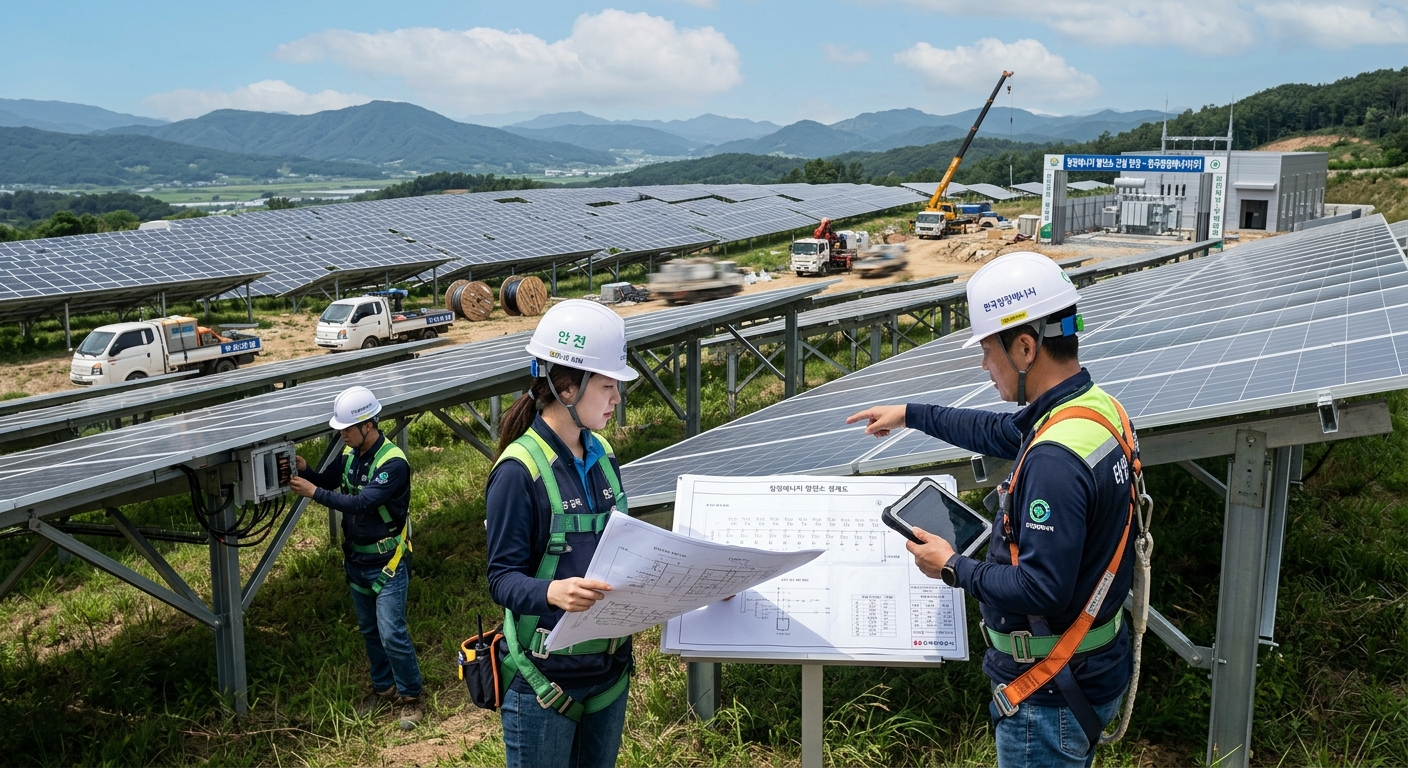
With the bio division led by Samsung Biologics (43.1% stake) at the forefront, the company is strengthening its new business capabilities across U.S. solar power development and Small Modular Reactor (SMR) EPC contracts.
Following the successful completion of its roadmap to cancel 13.2% of its common treasury shares, Samsung C&T's upcoming 2026–2028 shareholder return policy raises the minimum dividend per share (DPS) to 2,500 KRW and continues the payout of 60–70% of dividend income received from affiliates.
Coupled with this, narrowing the net asset value (NAV) discount rate, which has exceeded 50%, has emerged as a key catalyst for future corporate value re-rating.
Current Market Context
On October 15, 2026, the domestic stock market closed in an extreme wait-and-see posture amid macro uncertainties both at home and abroad.
The KOSPI closed at 5,554.22, the KOSDAQ at 760.82, and the USD/KRW exchange rate finished at 1,343.60 KRW.
According to Daily Stock's proprietary Fear & Greed Index, the KOSPI is currently in the 'Extreme Fear (4.9)' stage.
This marks a sharp contraction compared to 'Fear (32.5)' a week ago and 'Neutral (42.5)' a month ago, highlighting peak index volatility and macroeconomic sensitivity.
In the U.S. market as well, the Nasdaq Fear & Greed Index currently sits at 'Fear (32.3)', reflecting subdued global risk appetite.
While Samsung C&T's closing price for the day is listed as 'daily market price unverified (based on latest verified value)', its solid asset base and dividend defensive qualities stand out amid broad market liquidity contractions.
Foreign institutional investors are maintaining a selective approach across large-cap names, using futures-centric hedging strategies as the exchange rate settles in the 1,340 KRW range.
Particularly as the Bank of Korea's base rate trajectory and import/export figures impact cyclical large caps, Samsung C&T's diversified portfolio and resilient cash flow profile are gaining attention.
| Category | Key Indicator & Metric (as of 2026-10-15) | Details & Highlights |
|---|---|---|
| KOSPI Index | 5,554.22 pt | Market close |
| USD/KRW Exchange Rate | 1,343.60 KRW | FX market close |
| KOSPI Fear & Greed | 4.9 (Extreme Fear) | 1W ago (32.5), 1M ago (42.5), 3M ago (12.1) |
| Nasdaq Fear & Greed | 32.3 (Fear) | 1W ago (39.8), 1M ago (28.0), 3M ago (27.4) |
| Core Equity Stakes | Samsung Biologics 43.1%, Samsung Electronics 5.0%, Samsung Life 19.3% | Core foundation for incoming affiliate dividends |
| Shareholder Return Policy | Return 60–70% of affiliate dividend income | Minimum DPS set at 2,500 KRW |
Financial Analysis
Samsung C&T's fundamental earnings base is shifting from traditional construction and trading toward high-value bio and high-tech infrastructure.
Consolidated annual revenue stands in the 43 trillion KRW range, with operating profit solidifying between the upper 3 trillion KRW range and 4 trillion KRW.
In particular, the construction division has reduced its exposure to simple turnkey housing projects, refocusing on high-tech infrastructure like data centers and semiconductor fabs, alongside nuclear power and renewable energy engineering.
As of the end of Q2, the standalone financial structure achieved a net cash position, with net debt registering negative (-878.3 billion KRW).
Similarly, the trading division has moved away from conventional intermediary trade to generate higher profitability through development-focused models, such as developing, monetizing, and securing operating rights for U.S. solar assets.
The bio division continues to provide a robust consolidated operating profit contribution, driven by higher utilization at Samsung Biologics' mega plants and expanding biosimilar sales.
Valuation
When evaluating Samsung C&T, the primary benchmarks are the value of its listed equity holdings and its discount rate relative to net asset value (NAV).
The company holds massive affiliate equity value, including a 5.0% stake in Samsung Electronics, 43.1% in Samsung Biologics, 19.3% in Samsung Life, and 17.1% in Samsung SDS.
According to securities analysts, the market value of Samsung C&T's listed equity stakes is estimated between 70 trillion and over 100 trillion KRW, yet its market discount rate remains around 45% to 55%.
Considering that the discount rate for global conglomerates (holding companies) typically hovers around 30% to 40%, its undervaluation among KOSPI large-cap stocks is pronounced.
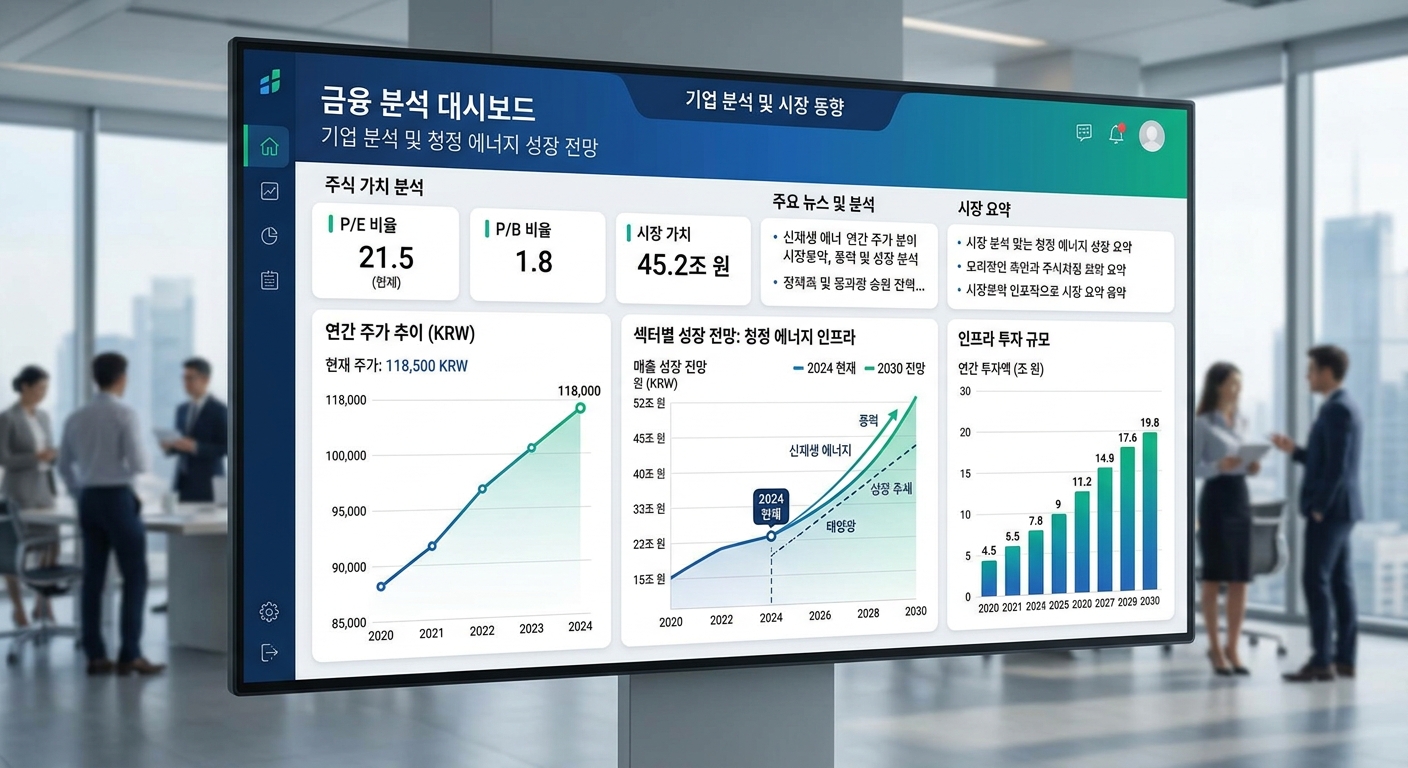
When fully reflecting the appreciation in value of its key affiliates, Samsung C&T's current price-to-book ratio (PBR) is estimated at 0.7x to 0.8x.
Compared with domestic diversified holding companies and mega-cap construction peers, this provides a resilient valuation floor.
Expert & Institutional Analysis
Major domestic brokerage houses maintain a constructive stance on Samsung C&T, setting target prices in the mid-500,000 to mid-600,000 KRW range.
Key drivers cited include expanding shareholder returns backed by higher affiliate dividend income, alongside visible progress in SMR and renewable energy orders.
KB Securities noted that through multiple partnerships with NuScale and GE Vernova Hitachi (GVH), Samsung C&T is well-positioned to flexibly respond to SMR EPC opportunities in Romania and Northern Europe.
Analysts emphasize that rather than being dependent on a single reactor design, the company is establishing itself as a standardized construction partner for global next-generation nuclear infrastructure.
SK Securities projected that dividend receipts flowing into Samsung C&T will increase sharply as affiliate Samsung Electronics expands its shareholder return program.
They highlighted that the virtuous cycle of returning 60% to 70% of received dividends back to shareholders creates clear room for narrowing the NAV discount.
Risk Factors
Global economic slowdown pressures and commodity price volatility stemming from geopolitical instability could weigh on overseas infrastructure and trading margins.
Prolonged inflation and elevated interest rates across the U.S. and Europe carry the risk of delaying Final Investment Decisions (FID) on large-scale renewable projects.
Sharp swings in the USD/KRW exchange rate could introduce short-term volatility in the trading division's foreign currency translation gains/losses and overseas project cost ratios.
Additionally, the pace of domestic and international financial investment tax reforms and the legislative progress of tax incentives under the Corporate Value-up Program could affect the strength of institutional capital inflows.
Investment Summary
Samsung C&T is evolving beyond its role as the apex of the group's governance structure into an independent eco-friendly energy transition platform.
The conclusion of its three-year roadmap canceling 13.2% of its common shares, alongside its forward-looking dividend policy, stands out as an exemplary execution of corporate value-up initiatives.
However, with the KOSPI Fear & Greed Index lingering in the extreme fear zone at 4.9, a phased accumulation strategy may be more prudent than chasing short-term momentum.
Monitoring the scheduling of affiliate dividend announcements and the finalization of concrete contracts for SMR demonstration projects in Eastern Europe and North America remains an effective approach.
FAQ
Q1. What are the key elements of Samsung C&T's 2026–2028 shareholder return policy?
A. The policy raises the minimum dividend per share from 2,000 KRW to 2,500 KRW (a 25% increase) and maintains the framework of returning 60% to 70% of dividend income received from affiliates back to shareholders.
Q2. How did the treasury share cancellation roadmap proceed?
A. Under its mid- to long-term plan, the company executed the cancellation of 24,718,099 common shares (13.2%) and preferred shares in stages, effectively reducing the floating share count and enhancing per-share value.
Q3. Aside from Samsung Biologics, which new growth portfolios are gaining focus?
A. Solar and green hydrogen development projects in the U.S. and Australia, Battery Energy Storage Systems (BESS), and global next-generation SMR EPC ventures partnered with NuScale and GVH serve as key growth engines.
Q4. What conditions could narrow the current share price discount relative to NAV?
A. The discount is likely to compress as the company proves the earnings power of its in-house operations, converts large SMR projects into actual contract wins, and benefits from the trickle-down impact of higher dividends from major affiliates such as Samsung Electronics.
Q5. What should investors keep in mind in the current market environment?
A. With the KOSPI Fear & Greed Index at 4.9 reflecting subdued market sentiment, investors should closely track index volatility and foreign exchange dynamics while adopting a long-term, valuation-centered approach.